Productions
Fish

Skipjack tuna is considered the most commercially common species. As with most fish, tuna has many health benefits for consumers, including high levels of Omega-3 fatty acids, DHA and healthy protein.

Captured off the Portuguese coast, sardines live in coastal areas between 25m and 100m deep. Sardines contain fatty acids - Omega-3 and they are also a great source of protein.

Considered a fatty fish (high content of Omega-3 fatty acids) and abundant in our waters, the horse mackerel can be found in the Northeast Atlantic and Mediterranean Sea, in coastal areas, up to 250m deep.
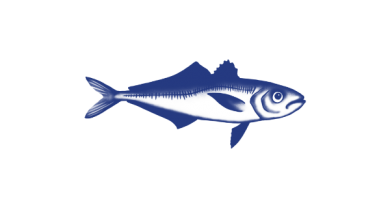
A valuable source of Omega-3 found on the Portuguese mainland coast, from 100 to 200m in depth, the horse mackerel normally presents a size of 15-20 cm in length.

The Gadus Morhua codfish is one of about 60 species in the family and it is generally small in size. With a unique status in Portuguese cuisine, the codfish is caught in the Atlantic Ocean, in the cold seas of the north.

With a long, thin beak and an elongated body, small garfish have a very firm and tasty meat. In addition to being delicious, it has all the nutrients that most fish have, especially vitamin A.

Small bluish fish, with a round and slender body. Abundant in the Mediterranean regions and on the Atlantic coast of Africa and Europe, it is highly appreciated for its flavor and smooth texture.

The ray is a fish with a cartilaginous skeleton, which feeds on molluscs, crustaceans and fish, being an easily digestible source of protein. It is rich in vitamins and minerals, especially phosphorus.

The Atlantic salmon is found in the temperate and arctic regions of the Atlantic Ocean and is much sought after for its very tasty pink flesh. This fish is classified as a fatty fish, having a high content of polyunsaturated fatty acids, fat-soluble vitamins: A, D, E and K and also contains vitamins B6 and B12.
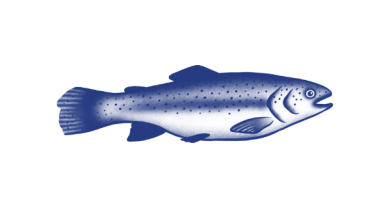
With a tender meat and soft taste, the trout is a fish rich in Omega-3 and provides a large amount of vitamins, phosphorus and calcium. In addition to being an excellent source of vitamins, proteins and minerals, it can also lead to a reduction of cholesterol in those who consume it regularly.
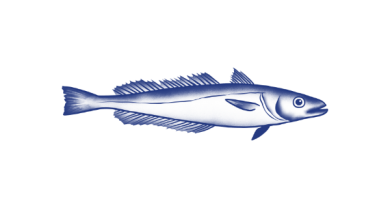
With less than 2% fat and easy to digest, the hake is a white fish with a mild flavor and consistency. It is rich in B vitamins and minerals such as iron, magnesium, phosphorus, potassium, iodine, selenium and calcium.



Sauces and Ingredients